

Tiong Bahru
Into the Heartlands of Tiong Bahru
- Distance
- 2.7 km
- Walking time
- 2h
- Stops
- 18 stops
How Singaporeans came to live the way they do, told through a single neighbourhood.
Walk it with Tanken, a free app that opens each stop's story as you arrive and reads it aloud while you look around. It is a self-guided walking tour, so there is nothing to book, and the first three stops are free.


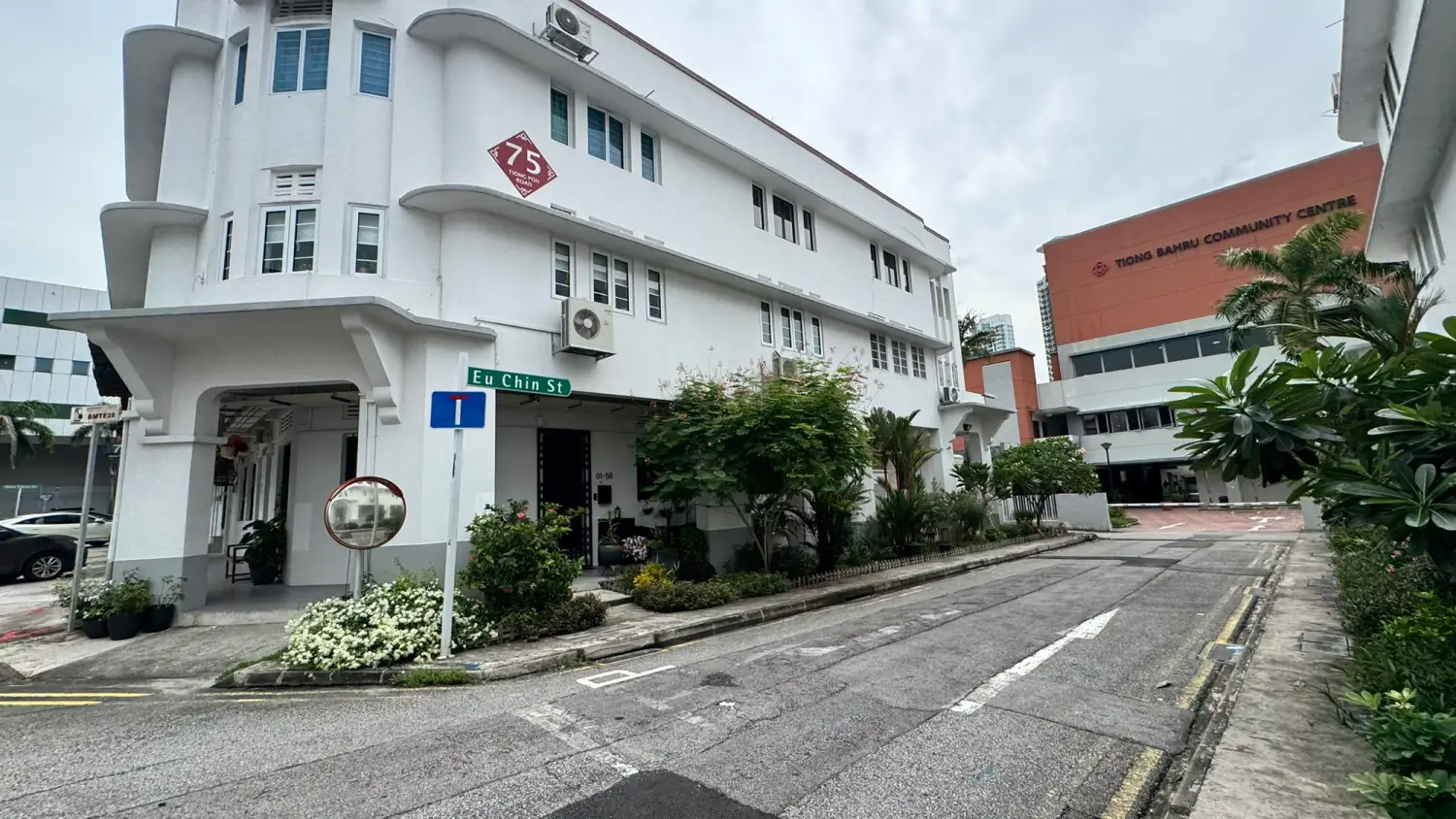
What you walk through
Tiong Bahru is where public housing in Singapore began. Its curved, low-rise blocks went up before the war and have been lived in ever since, and today almost everyone in the country calls a version of this idea home.
Behind the coffee shops and the bookstores is a question every fast-growing city has to answer: what makes a home, and how do you build one for everyone? This trail walks from the country's earliest idea of home to the high-rise life that now shapes nearly all of it.
Here is one of its stops, exactly as it opens when you reach Tiong Poh Road, and one of the three you can walk free. Read it, or press play to hear it read aloud the way you would on the street, then take the question.

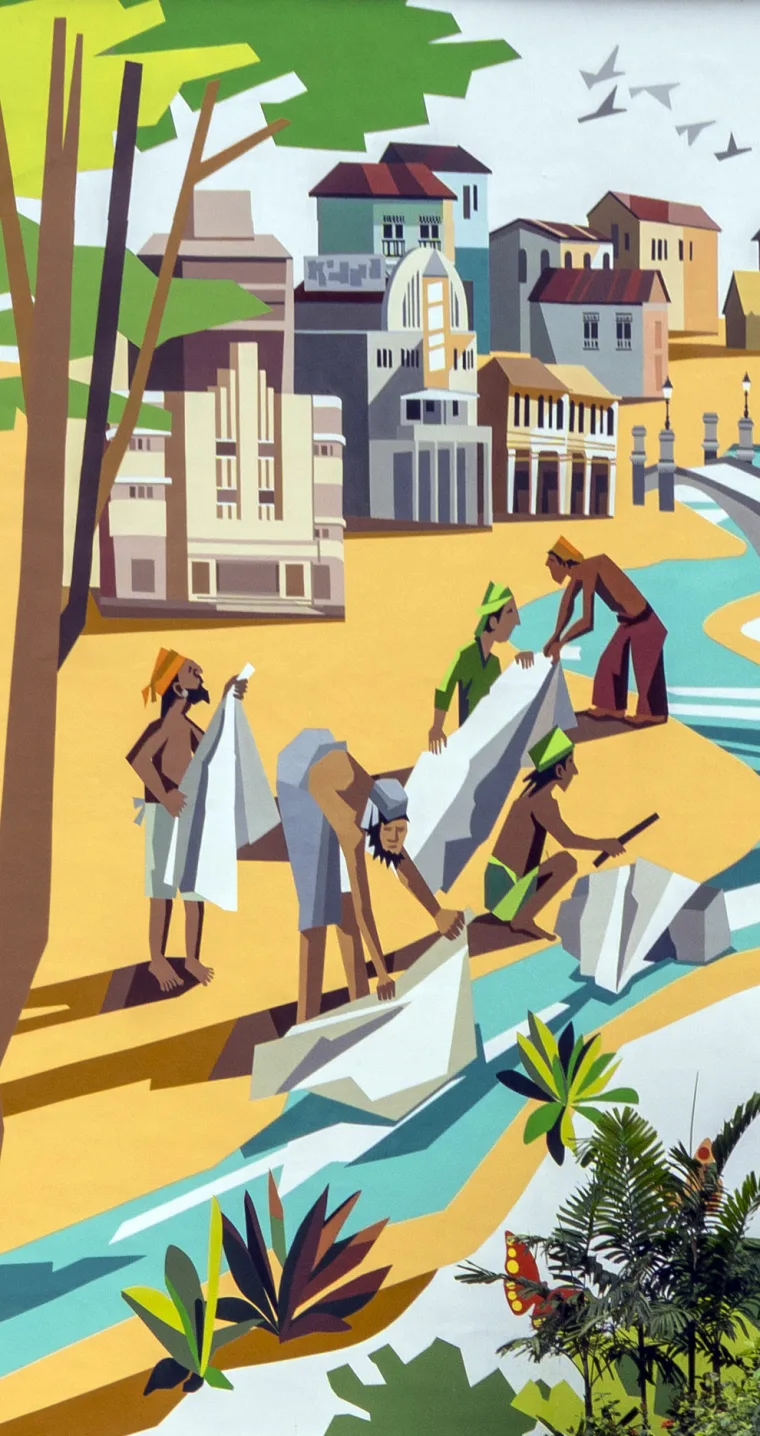
The Washing Place
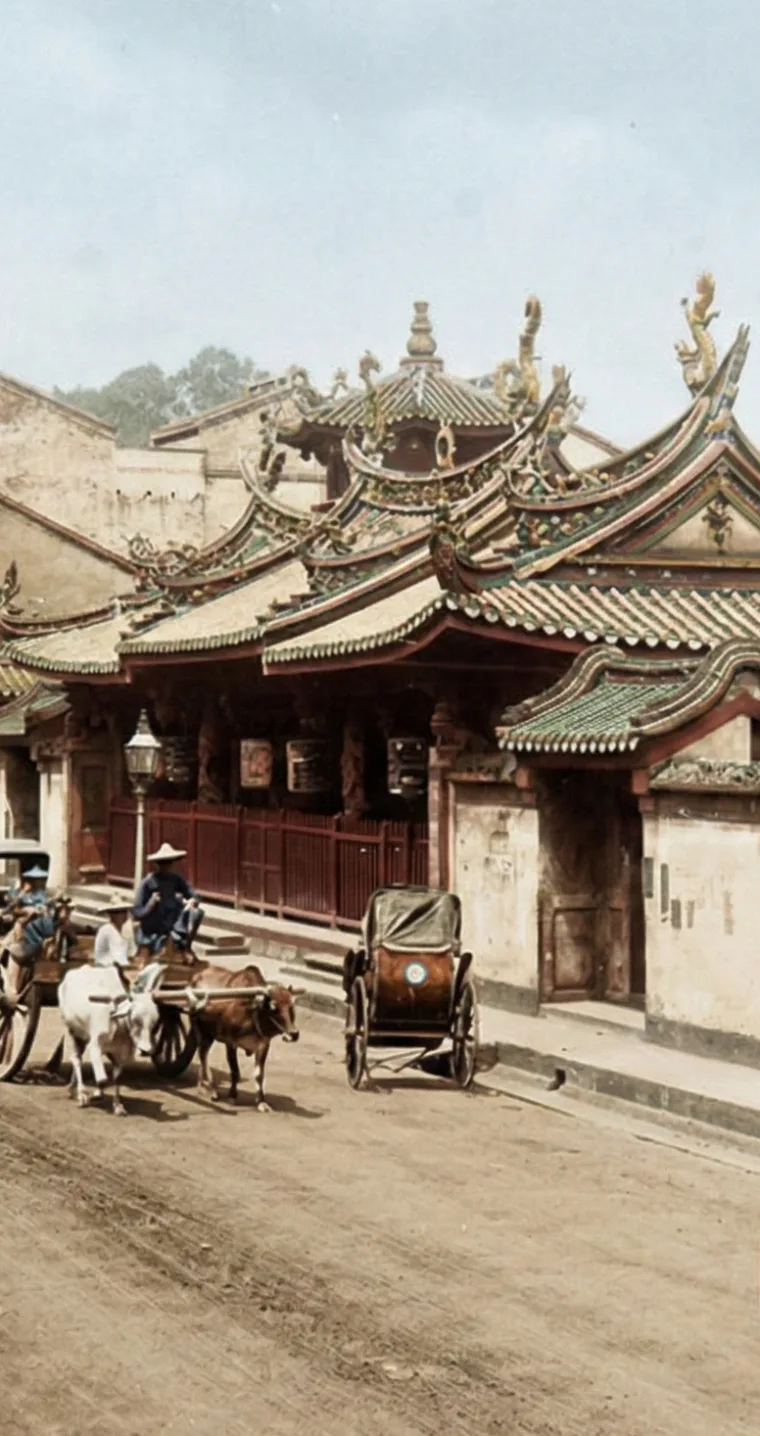
Thanks for a Safe Passage
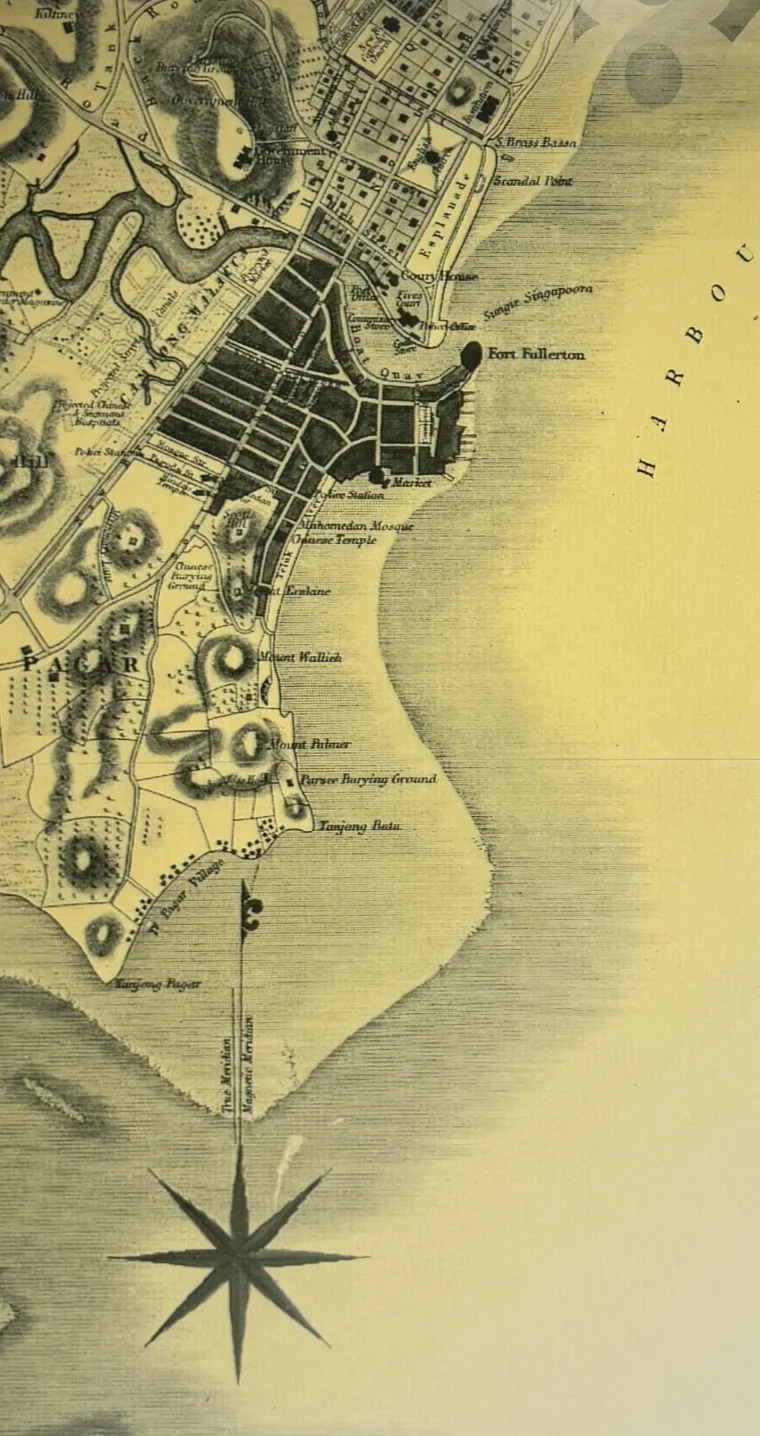
Shifting Shore
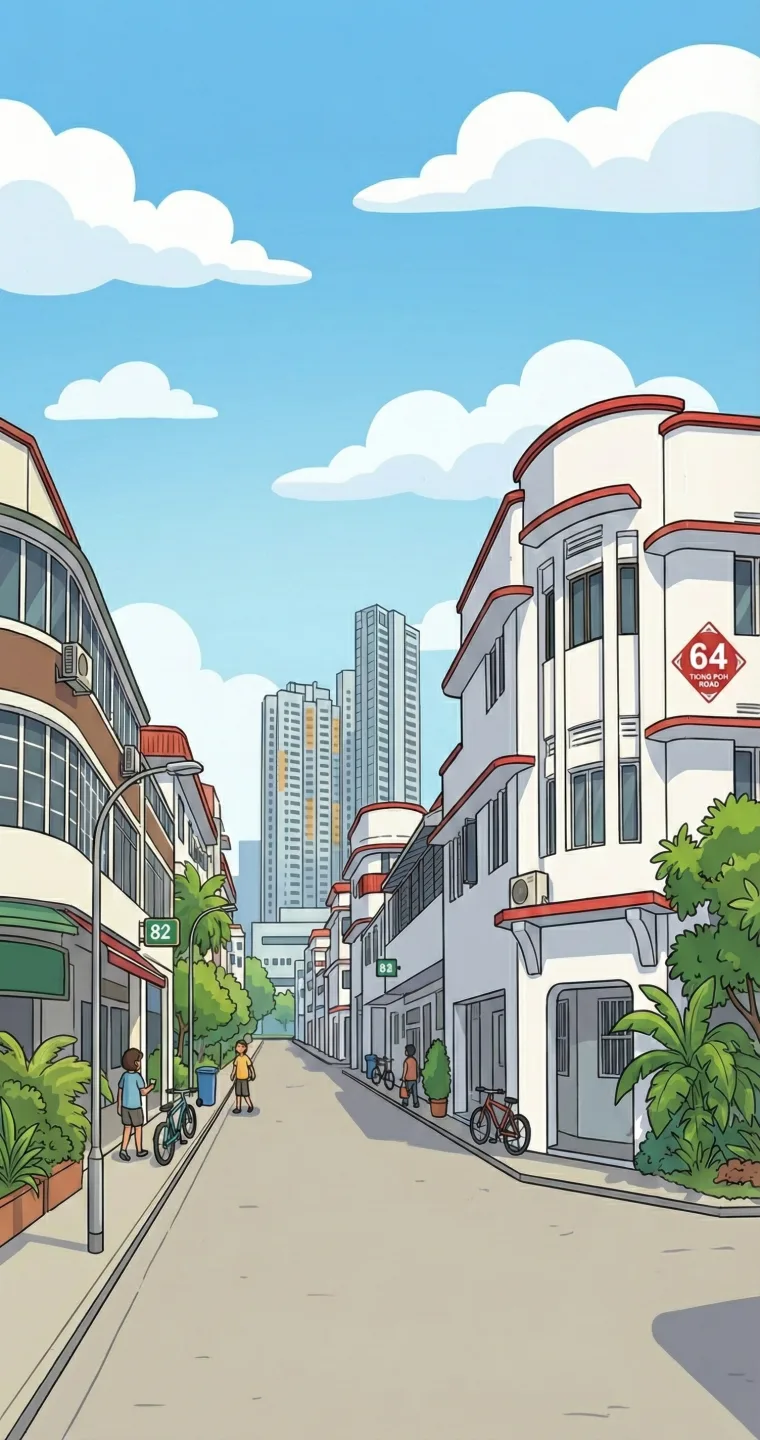
Built Like Machines
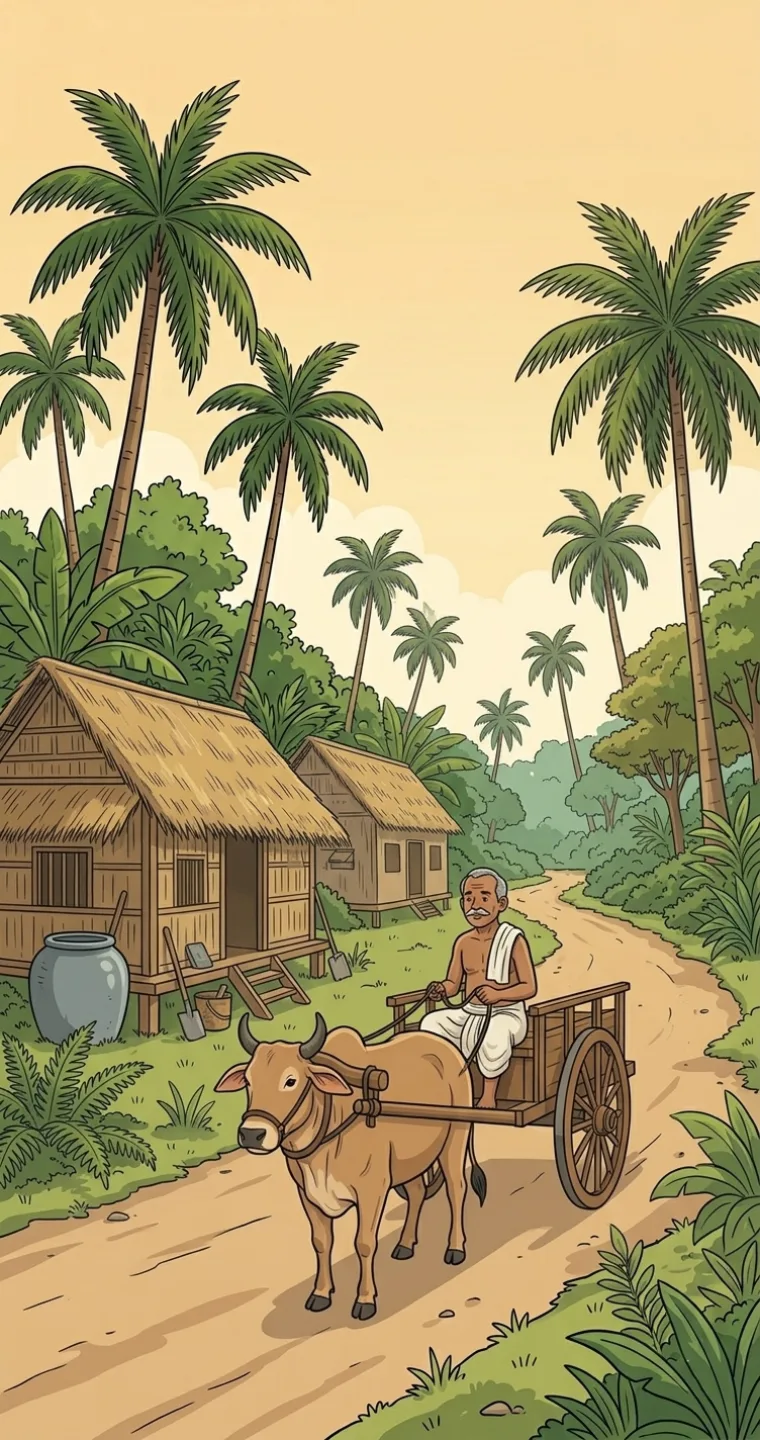
The Man on the Cart
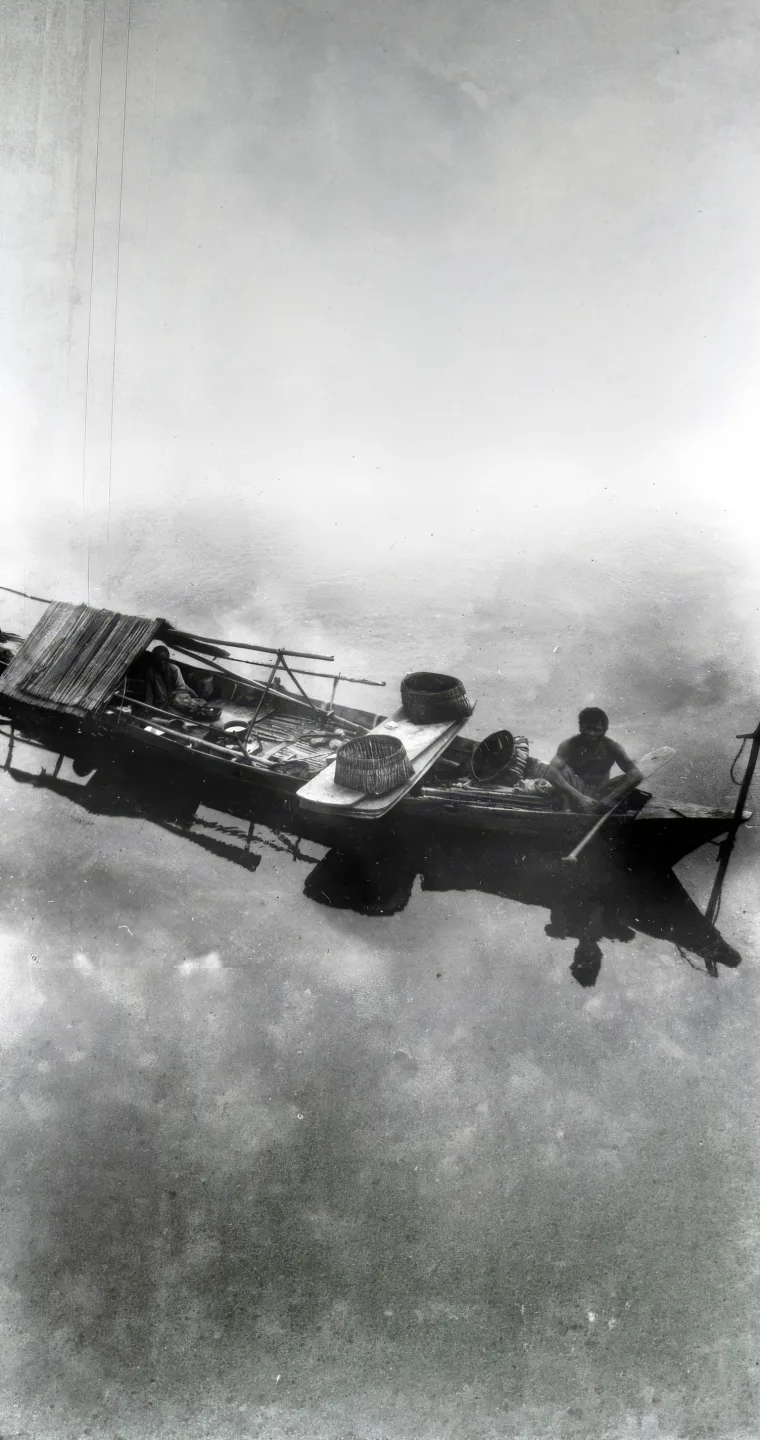
Before the City
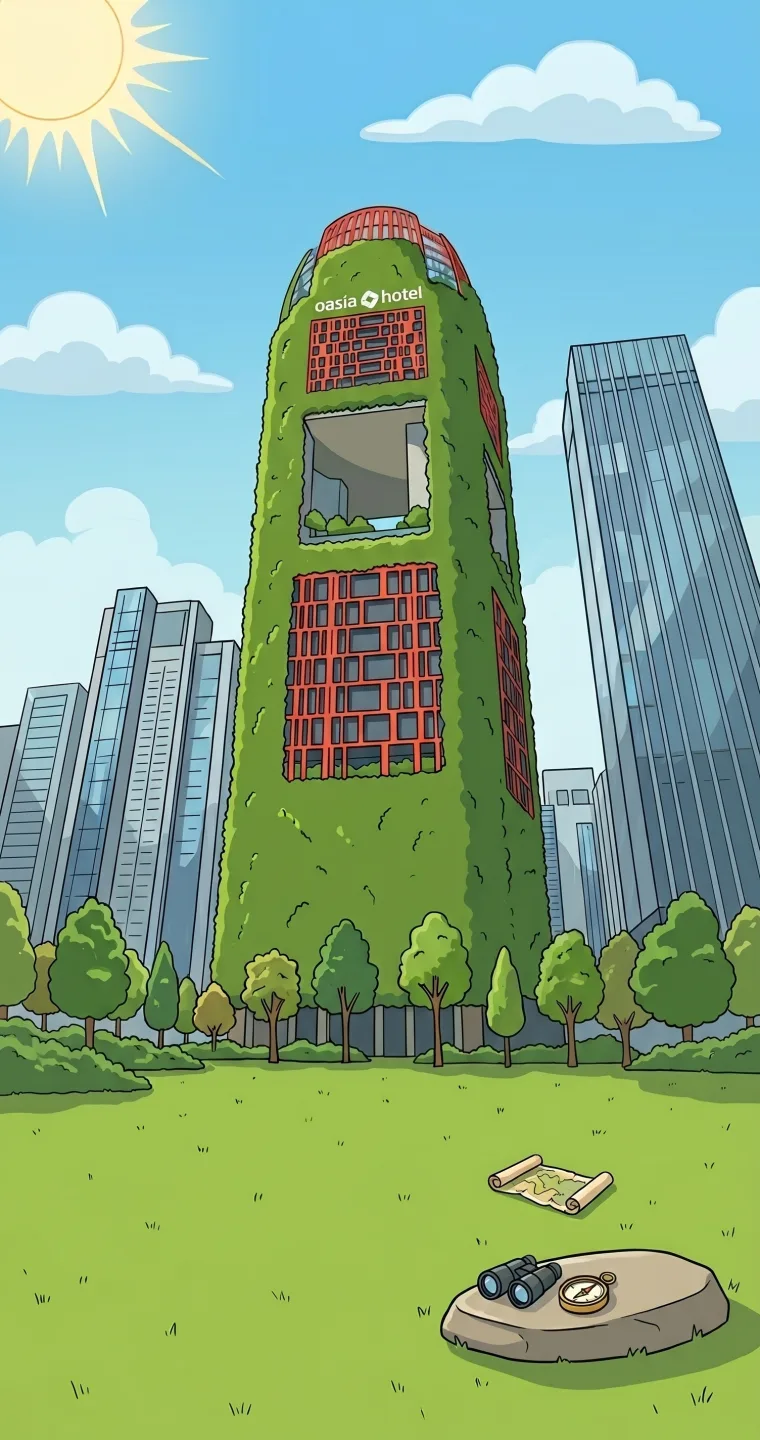
Where the Greening Began

Start your collection
Every stop you reach unlocks an illustrated card, narrated in a local voice and kept in your passport. Into the Heartlands of Tiong Bahru holds 18 of the 168 waiting across all seven trails.
And they stay yours. A guided tour ends when the guide walks away; these are still there to page through, and to read again, long after the walk is done.
The trail region
A tight loop of the pre-war estate: Eng Hoon Street and Tiong Poh Road, the lanes around the market, then out by Kim Tian Road and Jalan Membina to Tiong Bahru station.
This heritage trail runs 2.7 km over 18 stops and takes about 2h. It is self-guided, so there is nothing to book and no guide to meet: each stop opens on its own as you reach it and plays as audio, letting your eyes stay on the street. Pause partway and pick it up another day if you like. Mostly flat, shaded streets. Easy pace.

Hard to get lost, even without a guide
A guidebook, a heritage-trail PDF or a blog write-up gives you the route and a map, then leaves the rest to you: which turning, which staircase, whether that was the right building. The one worry with a self-guided walking tour is getting lost, so Tanken draws the exact path as a golden thread along the way you would really walk, and points ahead when the next stop is out of sight.
Where it gets confusing, Tiong Bahru carries 27 markers we placed on foot: this escalator, that crossing, the second staircase and not the first.
You never wonder whether you have arrived. The stop opens itself.
 Cross at the light
 Look both ways
 Use the crossing
 Take the lift
- Take the stairs
- Escalator down
Ready to walk Tiong Bahru?
Download Tanken and walk the first three stops free. One one-time purchase opens every remaining stop on all seven trails. No subscription.
Six more self-guided walking tours in Singapore
Each takes a different part of the city and a different story, and one purchase opens all seven.