

Chinatown
The Nanyang Passage through Chinatown
- Distance
- 2.5 km
- Walking time
- 2h 15m
- Stops
- 20 stops
The long crossing from southern China into the streets where it first settled.
Walk it with Tanken, a free app that opens each stop's story as you arrive and reads it aloud while you look around. It is a self-guided walking tour, so there is nothing to book, and the first three stops are free.


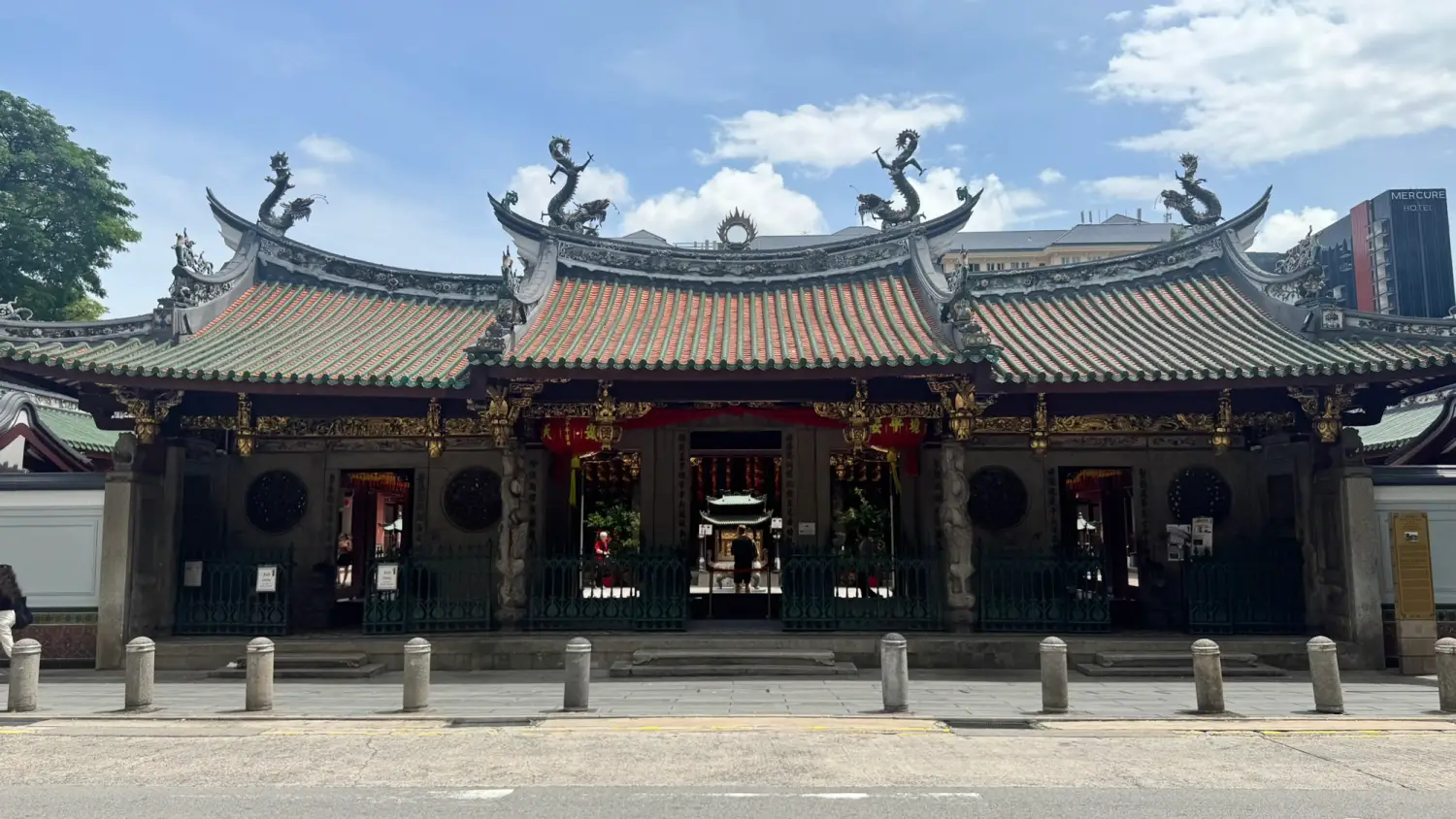
What you walk through
They came as coolies, as samsui women, as merchants, crossing the Nanyang with almost nothing and building a community from the ground up. This is the story of arriving with empty hands, and of what it came to mean to be both Chinese and Singaporean.
Their temples, clan houses and shophouses still line these five-foot-ways, holding letters sent home, debts repaid, and lives remade. Walk the streets most people pass through on the way to somewhere else, and see what they were really built on.
Here is one of its stops, exactly as it opens when you reach Thian Hock Keng Temple, and one of the three you can walk free. Read it, or press play to hear it read aloud the way you would on the street, then take the question.


Where the Greening Began
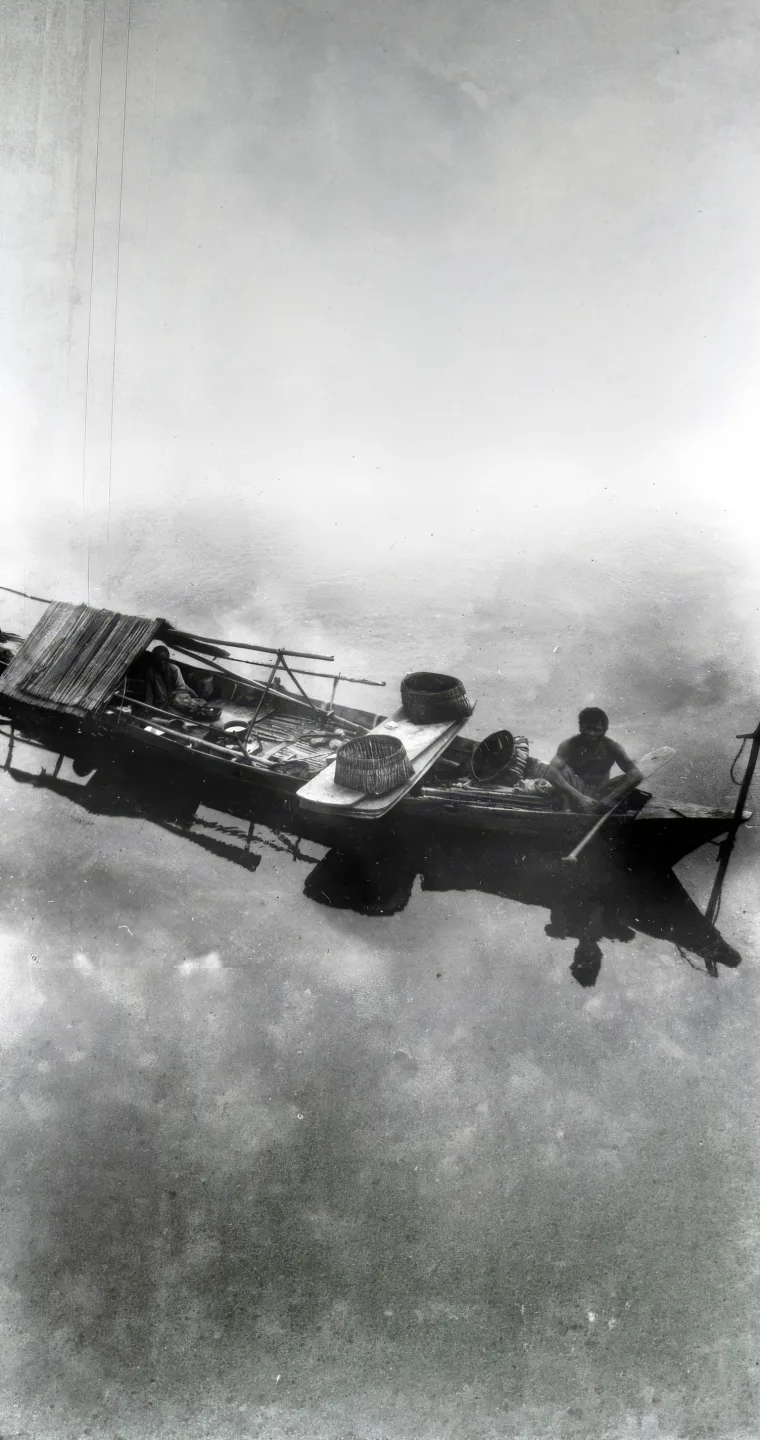
Before the City

The Man on the Cart
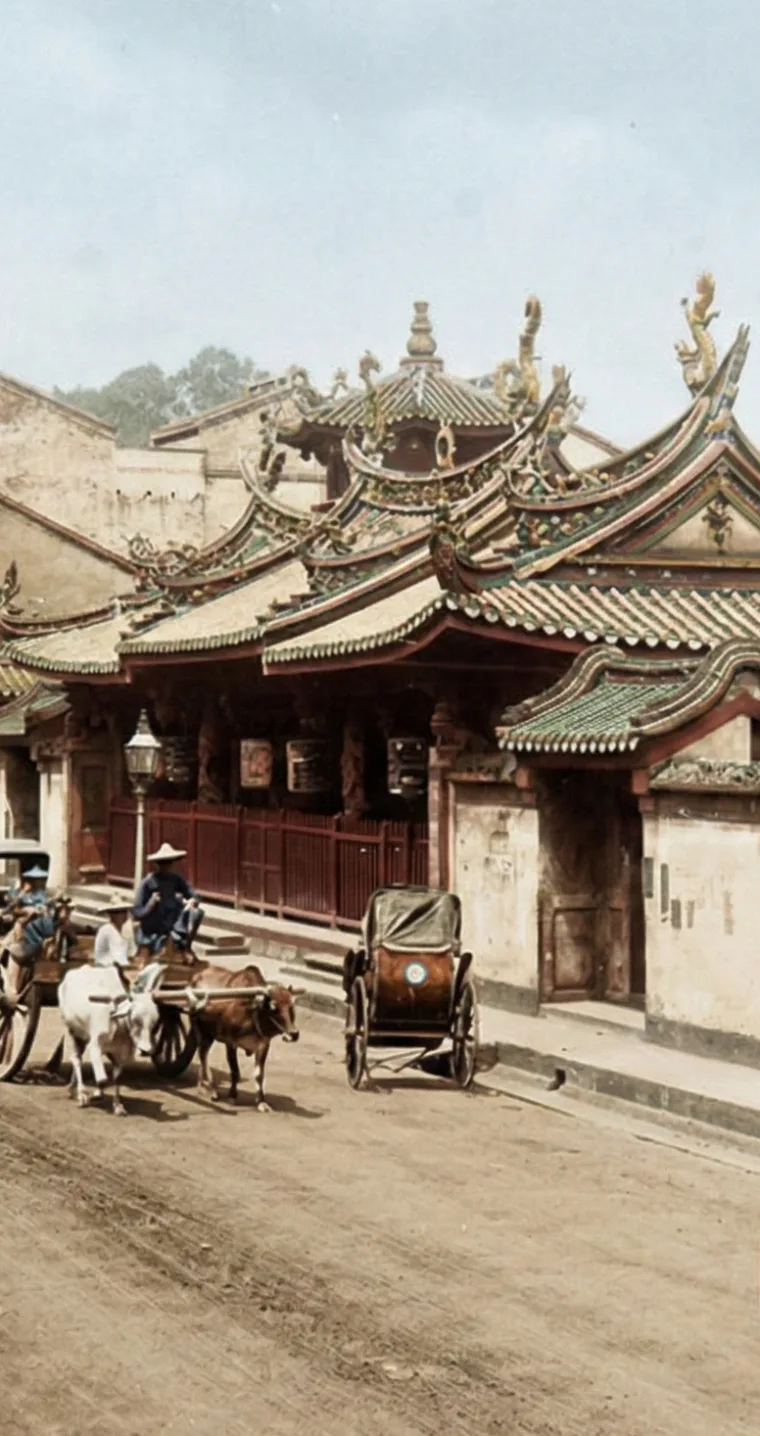
Thanks for a Safe Passage
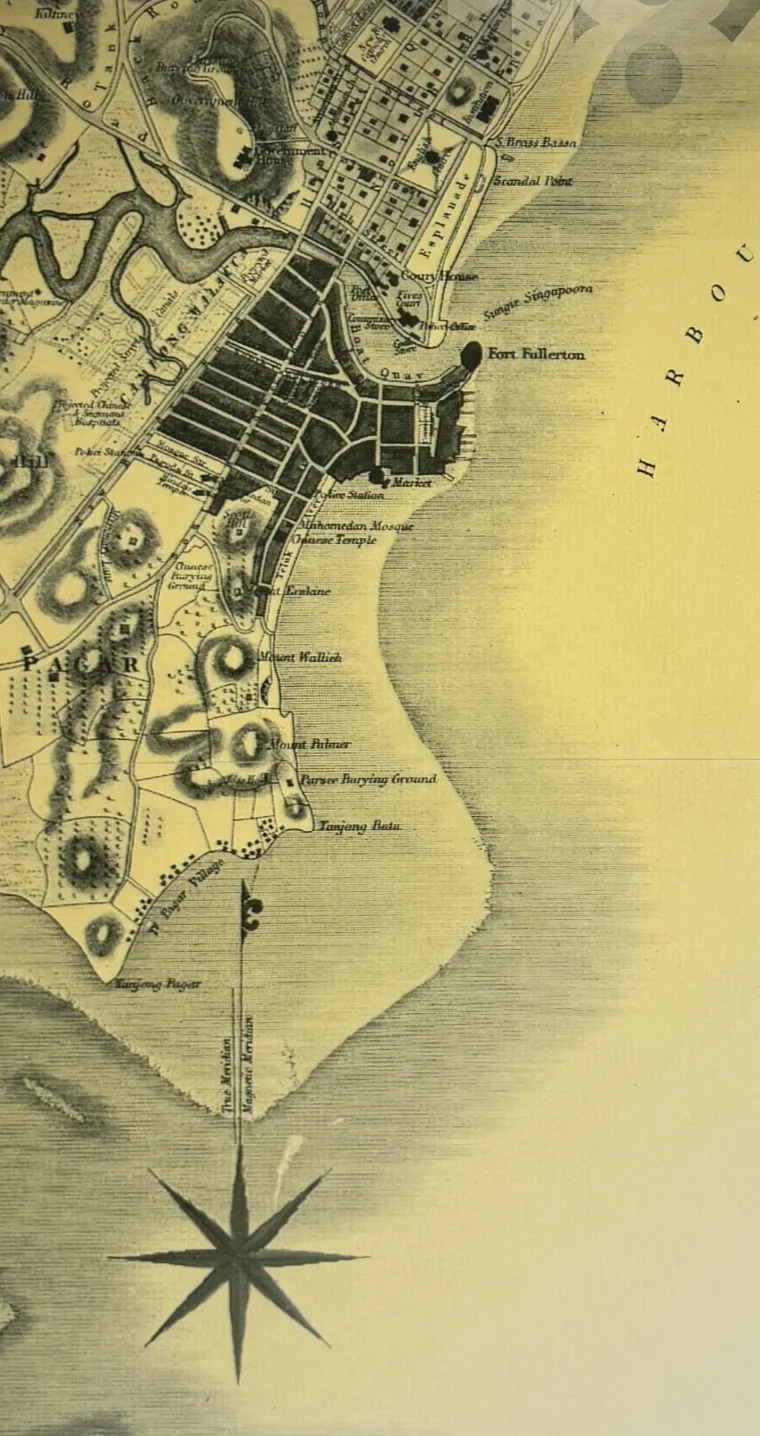
Shifting Shore

The Washing Place
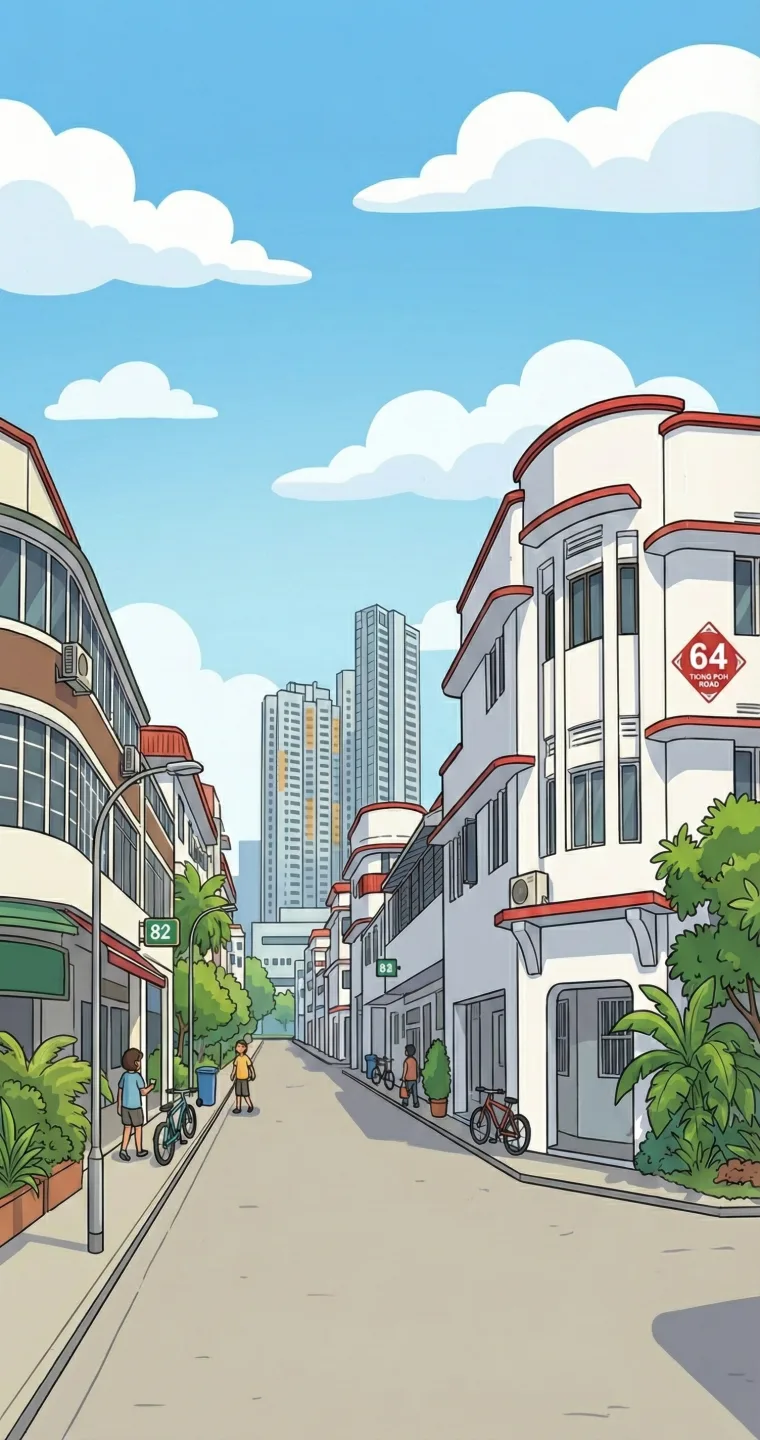
Built Like Machines

Start your collection
Every stop you reach unlocks an illustrated card, narrated in a local voice and kept in your passport. The Nanyang Passage through Chinatown holds 20 of the 168 waiting across all seven trails.
And they stay yours. A guided tour ends when the guide walks away; these are still there to page through, and to read again, long after the walk is done.
The trail region
Up from the old Telok Ayer shoreline through Amoy Street and Ann Siang Hill, then down to Pagoda Street and South Bridge Road, finishing near Eu Tong Sen Street.
This heritage trail runs 2.5 km over 20 stops and takes about 2h 15m. It is self-guided, so there is nothing to book and no guide to meet: each stop opens on its own as you reach it and plays as audio, letting your eyes stay on the street. Pause partway and pick it up another day if you like. Busy streets; some temples close by early evening.

Hard to get lost, even without a guide
A guidebook, a heritage-trail PDF or a blog write-up gives you the route and a map, then leaves the rest to you: which turning, which staircase, whether that was the right building. The one worry with a self-guided walking tour is getting lost, so Tanken draws the exact path as a golden thread along the way you would really walk, and points ahead when the next stop is out of sight.
Where it gets confusing, Chinatown carries 15 markers we placed on foot: this escalator, that crossing, the second staircase and not the first.
You never wonder whether you have arrived. The stop opens itself.
 Cross at the light
 Look both ways
 Use the crossing
 Take the lift
- Take the stairs
- Escalator down
Ready to walk Chinatown?
Download Tanken and walk the first three stops free. One one-time purchase opens every remaining stop on all seven trails. No subscription.
Six more self-guided walking tours in Singapore
Each takes a different part of the city and a different story, and one purchase opens all seven.